Who Made Them Big Brother?
- 12 minutes read - 2431 wordsIt’s a common complaint online that America wields its superpower status in ways other nations can’t match. What critics often miss is how power actually works in practice. “With great power comes great responsibility,” Uncle Ben told Peter Parker in the 2002 Spider-Man movie. But the less-quoted part of that lesson is what responsibility actually entails: the obligations, costs, and trade-offs that come with the job. Peter Parker’s journey showed this clearly: once you have the power to act, choosing not to act has consequences too.
These obligations have earned America a nickname that’s both accurate and loaded: “Big Brother.” Unlike Orwell’s dystopian overseer, this Big Brother emerged from necessity—someone had to maintain the global systems that keep commerce flowing, disasters manageable, and sea lanes open. It’s a role that invites criticism precisely because it involves power, but the responsibilities are concrete and measurable.
So what does this look like in practice? I’ll dive into some of the obligations America shoulders for the world. While there are many cutting across a spectrum—from those with direct impact to those with second- or third-order effects—I’ll focus mostly on the former, as people are generally only able to appreciate things when they understand the direct consequences.
Maritime Shipping Lanes
Your iPhone, your cute little Temu orders, the coffee you’re drinking, the clothes you’re wearing—odds are they traveled thousands of miles by sea before reaching you. So did the components in your car, the medicines at your pharmacy, and the fertilizer that grew your food. About 90% of global trade moves by ship, and those ships need safe passage through strategic chokepoints: the Strait of Hormuz, the Strait of Malacca, the Suez Canal, the Bab el-Mandeb.
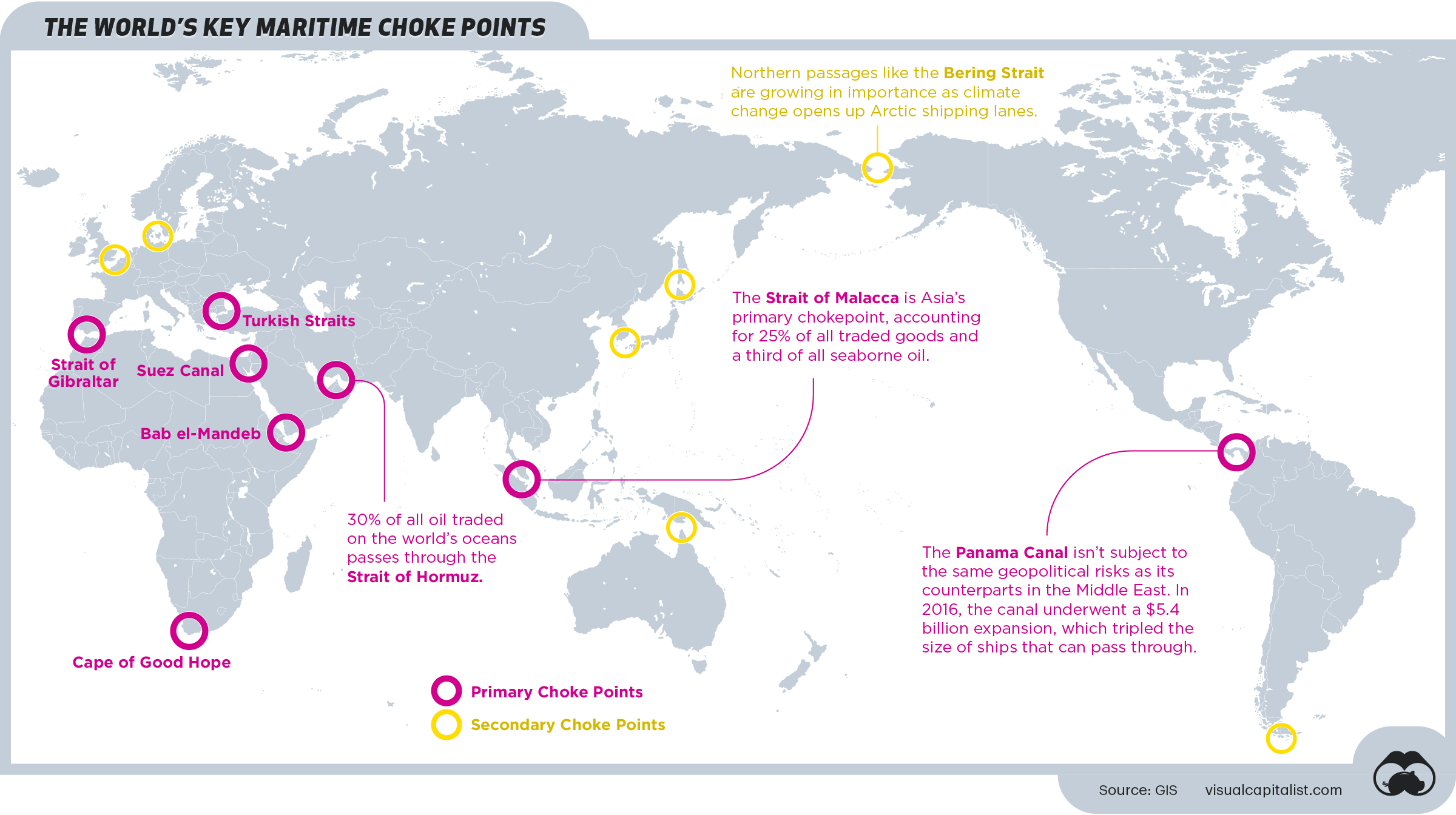
But it’s not just consumers who depend on these routes. The online retailer sourcing cheaper alternative inventory from China, the small business owner importing textiles from Bangladesh, the manufacturer waiting on semiconductor chips from Taiwan, the construction company that needs steel from South Korea, and the restaurant chain relying on coffee beans from Ethiopia.—they all need these shipping lanes open and predictable. When shipping routes get compromised, entire businesses grind to a halt. It’s not just Amazon deliveries that slow down. It’s factories that can’t complete orders, contractors who can’t finish projects, and businesses that hemorrhage money while inventory sits on rerouted ships adding weeks to delivery times.
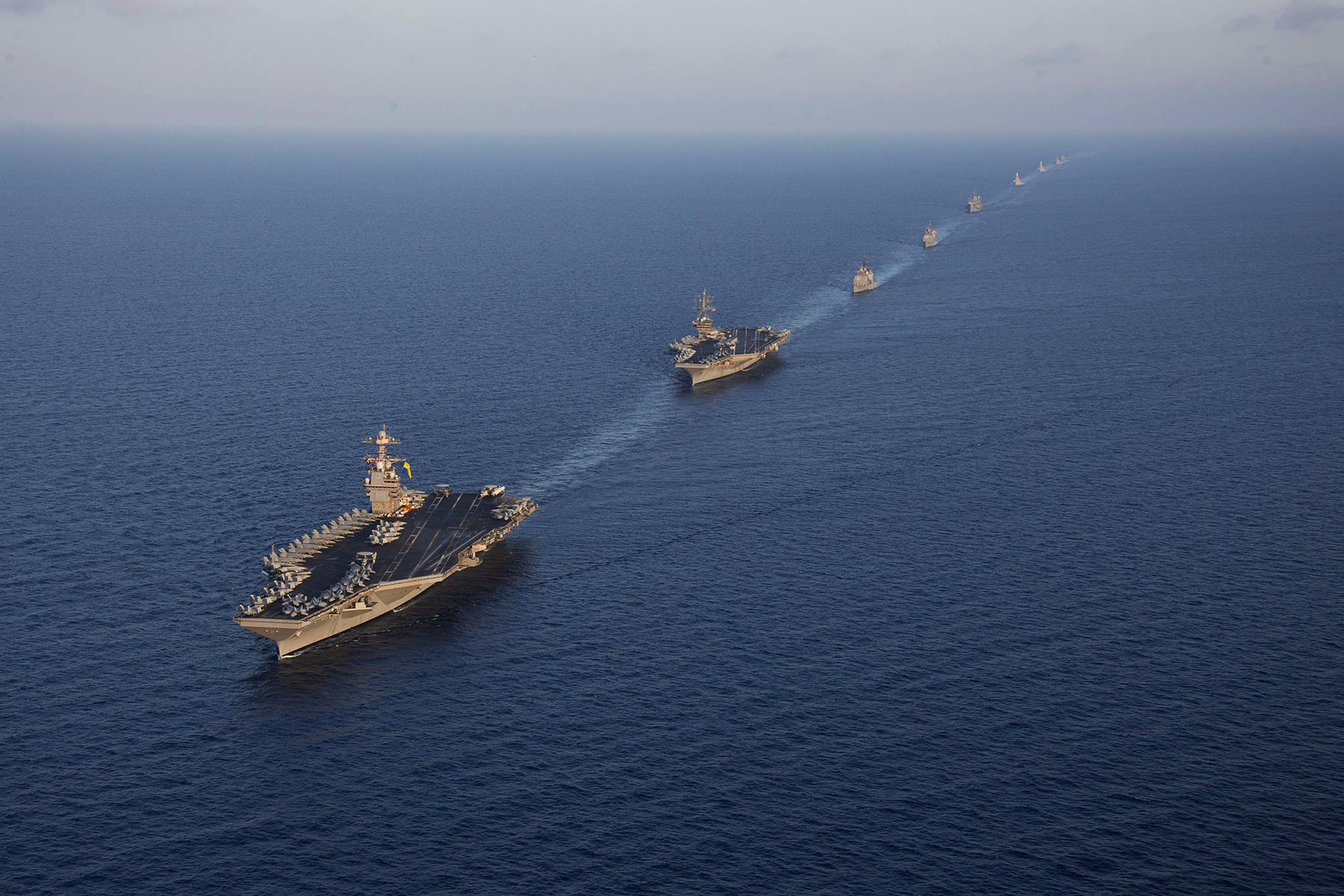
The US Navy maintains a constant presence in these waters, not for glory, but because global commerce depends on it. Without protection, these routes become vulnerable to piracy, territorial disputes, and regional conflicts that could strangle supply chains overnight.
What Happens When Protection Fails
During 2023–2025, 20% of the world’s liquefied natural gas and 25% of seaborne oil trade passes through the Strait of Hormuz annually —roughly 21 million barrels of oil daily. When tensions flare in the Persian Gulf, your heating bills rise, gas prices jump, and plastic goods get more expensive—petroleum touches everything. When vessels get detained or threatened, insurance premiums spike and shipping companies reroute, adding weeks to delivery times.
The Red Sea crisis in late 2023 showed this clearly. From October 2023 to March 2024, attacks on commercial vessels led over 2,000 ships to divert away from the Red Sea , choosing the much longer route around Africa instead. Container shipments in the region dropped by 75% , and shipping costs reached $5,272.50 per container in early January 2024, the highest level since mid-2022 .
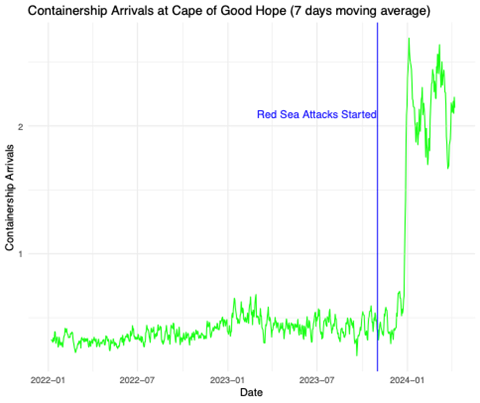
For retailers, it meant holiday inventory arrived late. For manufacturers, it meant production delays as components sat on rerouted ships. For consumers, it meant higher prices as shipping costs got passed along.
The Piracy Problem
Remember when Somali pirates were seizing cargo ships regularly? The 2013 film Captain Phillips dramatized one such hijacking—the 2009 seizure of the MV Maersk Alabama, immortalizing the now-famous line: “I’m the captain now.” In 2011, there were 237 hijackings off the Horn of Africa. Today? Nearly zero. That didn’t happen by accident—it happened because navies, primarily the US Fifth Fleet, made piracy too risky and too expensive to sustain.
When piracy surges, so do insurance costs. The “war risk premium” for sailing through dangerous waters can add tens of thousands of dollars per voyage. Those costs get passed to importers, then to retailers, then to you. Every product becomes more expensive when the seas aren’t safe.
The Alternative
What’s the alternative if America stops patrolling these waters? Regional powers fill the vacuum, not to maintain free passage for all, but to control access for their own interests. When Iran interfered with 15 internationally-flagged merchant vessels over two years , it wasn’t random—it was strategic leverage, using shipping as a pressure point.
China can’t project naval power globally, and personally, I do not want them to (that’s a discussion for another day). European navies have shrunk dramatically. No other country has the carrier groups, the logistics network, or frankly the will to maintain this system. The US does it because global commerce—which keeps your grocery stores stocked, your gas tank filled, and your Amazon orders arriving—depends on someone keeping these lanes open.
It’s unglamorous work. Most days, nothing dramatic happens. But that’s the point. The ships keep moving, the goods keep flowing, and most people never think about the naval presence that makes it possible.
Internet Infrastructure
The very medium critics use to complain about American power—the Internet—relies on infrastructure America helps protect. Over 95% of international data traffic travels through undersea fiber optic cables stretching across ocean floors. Every email you send, every video call with family abroad, every WhatsApp message to friends, every cloud file you access crosses these cables. Families separated by oceans stay connected through these fiber optic lines. Couples in long-distance relationships rely on them for daily communication. Diaspora communities maintain ties to home through these invisible threads beneath the sea.
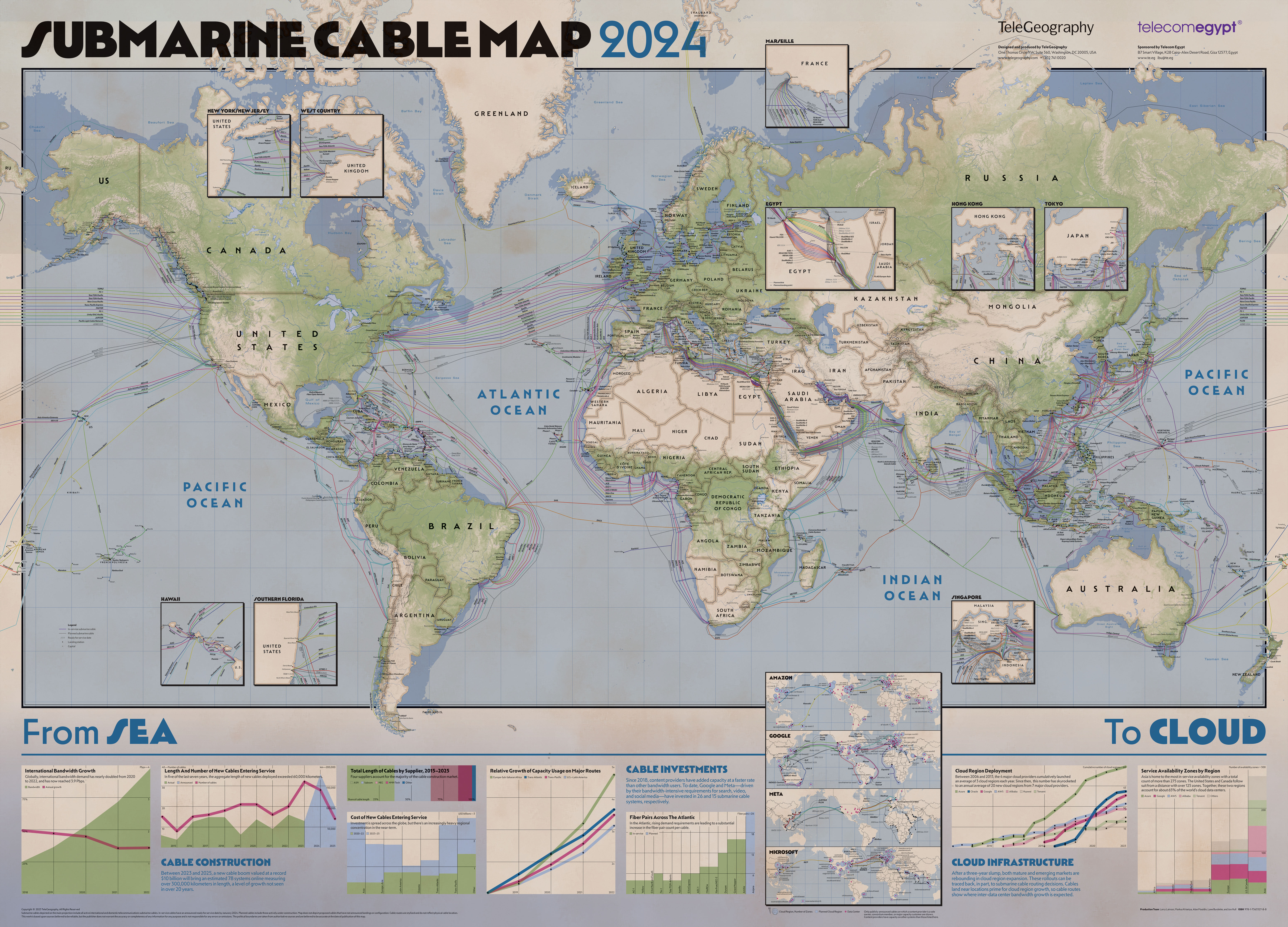
These cables aren’t just data pipes—they’re the backbone of the global economy. Financial transactions worth trillions of dollars flow through them daily. Your bank transfer, your company’s cloud storage, the stock market, international commerce—all depend on these vulnerable cables lying on the ocean floor.
What Happens When Cables Get Cut
Cable breaks happen regularly from ship anchors, fishing nets, and natural disasters. But deliberate sabotage is a growing concern. In 2022, damage to undersea cables connecting Shetland to mainland Scotland knocked out internet and phone service. In 2024, cables in the Red Sea were severed during the shipping crisis, disrupting connectivity across East Africa and Asia.
When cables fail, entire regions can lose internet access. Banking systems go offline. Businesses can’t process transactions. Emergency services struggle to communicate. The 2024 Red Sea cable cuts affected millions across multiple countries, forcing traffic to reroute through already-strained alternative cables.
America’s Role
The US Navy monitors and helps protect these critical cables, particularly in strategic chokepoints where they’re most vulnerable. Through partnerships with NATO allies and specialized submarine surveillance operations, the US tracks potential threats to cable infrastructure—from accidental damage to deliberate sabotage attempts by hostile actors.
American naval presence in key areas isn’t just about ships passing safely—it’s about protecting the invisible infrastructure that keeps the digital world running. Russia and China have both developed capabilities to locate and potentially damage these cables. Without US and allied monitoring, these critical arteries of global communication would be far more vulnerable.
Why This Matters
Cable protection isn’t glamorous—there are no dramatic rescues or headline-grabbing operations. But the stakes are enormous. A world where undersea cables become regular targets of sabotage or coercion would fundamentally break how the modern internet works. Countries would become digitally isolated. International business would grind to a halt. The seamless global connectivity we take for granted—video calls across continents, instant access to data anywhere—would fragment into unreliable regional networks.
The US Navy’s monitoring and protection of these cables, often in coordination with allies, keeps this infrastructure functioning. It’s the kind of unglamorous but essential work that goes unnoticed until something breaks. And when it does break—the disruption reminds you just how dependent we all are on infrastructure most people never think about.
Disaster Response and Humanitarian Relief
When catastrophe strikes anywhere in the world, there’s often an American military aircraft already en route before most countries have finished assessing the damage. Earthquakes, tsunamis, hurricanes, floods—the US military’s disaster response capability is unmatched in speed, scale, and logistics.
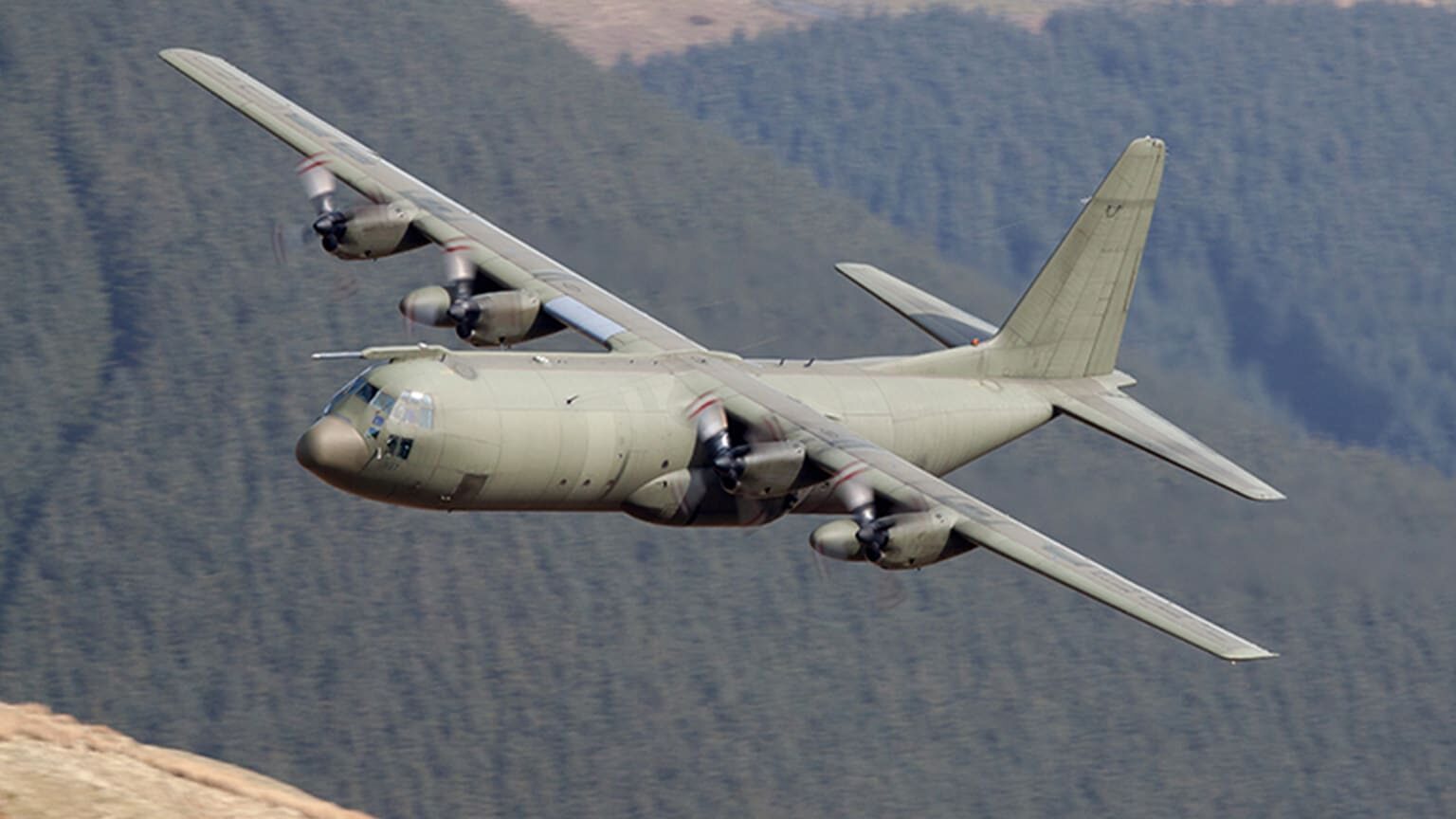
This isn’t about geopolitics or strategic interests. It’s about having the infrastructure to move massive amounts of aid quickly when people are dying and every hour counts.
Scale and Speed
The 2004 Indian Ocean tsunami killed over 230,000 people across multiple countries. Within days, the US had deployed aircraft carriers, helicopters, and thousands of personnel delivering food, water, and medical supplies to devastated coastal areas. The USS Abraham Lincoln alone conducted over 2,000 helicopter sorties delivering aid to remote Indonesian villages cut off by the disaster.
When a 7.0 magnitude earthquake devastated Haiti in 2010, killing over 200,000 people, the US military response was immediate. Aircraft carriers became floating hospitals. C-17 cargo planes turned Port-au-Prince’s damaged airport into a 24/7 hub moving relief supplies. US helicopters delivered medical teams and supplies to areas unreachable by road.
In 2013, Typhoon Haiyan struck the Philippines with catastrophic force, leaving millions without food, water, or shelter. The US deployed aircraft carriers, hospital ships, and over 13,000 personnel. American helicopters airlifted supplies to remote islands, C-130s delivered hundreds of tons of relief materials, and US forces helped restore critical infrastructure.
Why America?
Disaster response requires specific capabilities most countries simply don’t have:
- Airlift capacity: The US can deploy dozens of heavy cargo aircraft within hours
- Mobile hospitals: Aircraft carriers and hospital ships with full surgical facilities
- Helicopter fleets: Essential for reaching isolated areas when roads are destroyed
- Logistics expertise: Moving thousands of tons of supplies efficiently in chaotic conditions
- Global reach: Pre-positioned equipment and forces ready to respond anywhere
When the 2023 earthquake struck Turkey and Syria, US search and rescue teams were among the first international responders on the ground. When floods devastate Pakistan, when cyclones hit Mozambique, when volcanoes erupt in the Pacific—American military transport and logistics are often the difference between aid arriving in days versus weeks.
The Human Cost of Delay
In disaster zones, time literally equals lives. Every day without clean water increases cholera risk. Every hour without medical care means treatable injuries become fatal. Every delay in food delivery pushes vulnerable populations closer to starvation.
Commercial logistics can’t match military response speed. Aid organizations don’t have cargo aircraft or aircraft carriers. Most countries lack the transport capacity to project meaningful relief operations beyond their borders. The US does, and deploys it regardless of whether the affected country is an ally, rival, or strategically irrelevant.
More Than Just Emergency Response
Beyond immediate disaster relief, US military assets support sustained humanitarian operations. Hospital ships like the USNS Comfort and USNS Mercy conduct medical missions treating hundreds of thousands of patients in underserved regions. These missions provide surgeries, dental care, and medical training in areas with minimal healthcare infrastructure.
The irony isn’t lost: the same military capabilities critics denounce as “imperialism” are often the first hope for survivors trapped under rubble, communities cut off by floods, or populations facing disease outbreaks after disasters.
What’s the Alternative?
Without American disaster response capabilities, catastrophes become deadlier. Aid arrives slower. More people die waiting for help that doesn’t have the means to reach them quickly. Other wealthy nations could build similar capabilities, but haven’t. The infrastructure sits idle in peacetime, costs billions to maintain, and generates no direct economic return.
America maintains it anyway. When your city is underwater, your hospital is rubble, or your family is trapped—the nationality of the helicopter pulling them out matters far less than the fact that it arrived at all.
The Uncomfortable Answer
So, back to the question in the title: Who made them Big Brother?
The uncomfortable answer is that the world did. Or, more accurately, the world created a vacuum that required someone to fill it, and America was the only one with the capacity and the will to step in.
It is easy to look at American hegemony and see only the arrogance, the mistakes, and the overreach. Those are real, and they should be criticized. But it is much harder to acknowledge the “security dividend” that much of the world enjoys because of that hegemony.
European nations can afford robust social safety nets and universal healthcare partly because they haven’t had to secure their own trade routes or defend their own borders entirely independently for eighty years. Developing nations can focus on economic growth because the global waters are, for the most part, tamed by a navy they don’t have to pay for. The internet remains a global commons rather than a fractured series of national intranets because there is a force capable of protecting the physical infrastructure that binds it.
America is not “Big Brother” in the Orwellian sense—a totalitarian overlord watching your every move to oppress you. It is “Big Brother” in the familial sense: the oldest sibling who inherited the family business, pays the mortgage, drives everyone to soccer practice, and breaks up fights between the younger kids. You might resent his bossiness, and he might be arrogant about his contribution, but the household stops functioning the moment he moves out.
There is a growing sentiment in the US toward isolationism—a feeling that the costs of being the global policeman outweigh the benefits. If that sentiment ever wins out, and America truly steps back, the critics will get their wish: a world without American hegemony.
But nature abhors a vacuum. If the US Navy goes home, the shipping lanes won’t stay free—they will be claimed by regional powers. If the US stops patrolling the cables, the internet will fragment. If the US stops funding the logistics of disaster relief, the response to the next tsunami will be measured in weeks, not days.
We live in an imperfect world policed by an imperfect superpower. But before we demand that Big Brother hang up his badge, we should be very sure we’re ready to live in the neighborhood without him.